
9 Top Reasons to Invest in a Bathroom Remodel in NYC
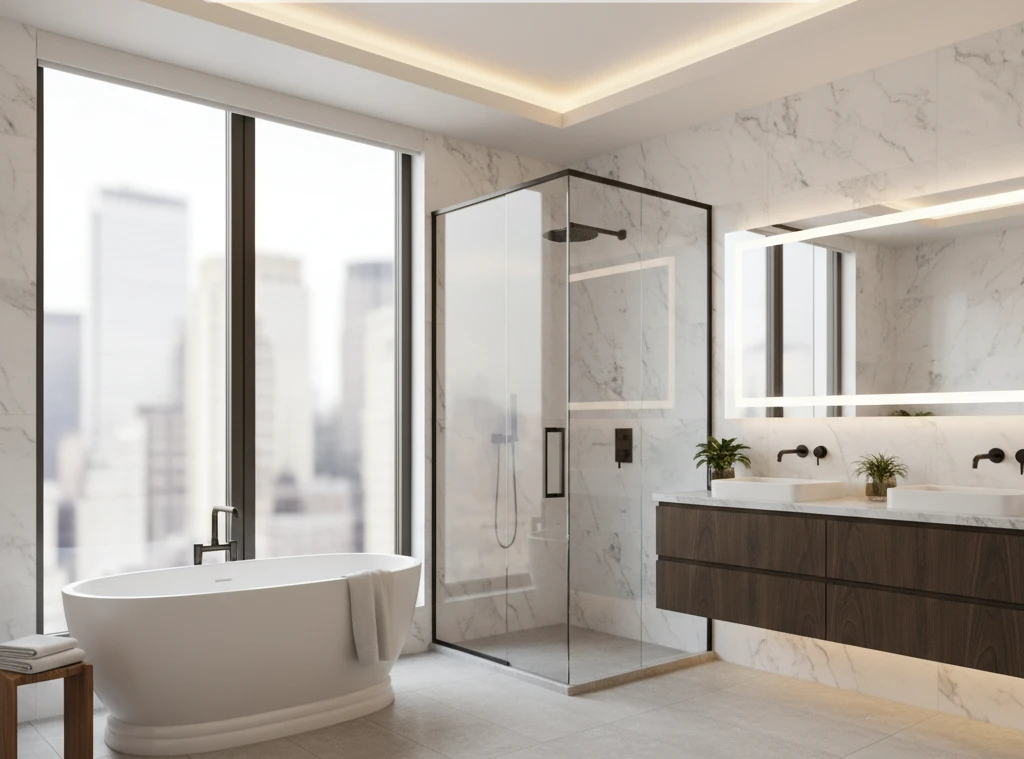
Your bathroom is one of the most personal spaces in your home, yet it’s often the most overlooked when it comes to renovations. In New York City, where every square foot matters and property values are at a premium, a well-executed bathroom remodel isn’t just an upgrade—it’s a strategic investment that pays dividends in comfort, functionality, and resale value.
Whether you’re living in a pre-war Brooklyn brownstone, a Manhattan high-rise, or a Long Island suburban home, bathroom renovations offer unique challenges and opportunities in the New York metro area. From navigating strict NYC building codes to maximizing limited square footage, a bathroom remodel requires careful planning and experienced execution.
At M Singh Enterprise, we’ve completed hundreds of bathroom renovations across NYC and Long Island over our 27 years in business. We’ve seen firsthand how the right bathroom upgrade can transform not just a room, but an entire home’s livability and market appeal. Here are the nine most compelling reasons homeowners in the New York area are choosing to invest in bathroom remodels right now.
1. Increase Your Property Value in NYC's Competitive Real Estate Market
New York City’s real estate market is one of the most competitive and valuable in the world. A modern, well-designed bathroom can be the difference between a property that sits on the market and one that receives multiple offers within days.
According to recent data from the National Association of Realtors, bathroom remodels consistently deliver some of the highest returns on investment of any home improvement project. In the NYC metro area specifically, mid-range bathroom renovations can recoup 70-80% of their cost at resale, with luxury upgrades in high-end neighborhoods like Manhattan’s Upper East Side or Brooklyn Heights often seeing even better returns.
Why NYC Bathrooms Command Premium Value:
Manhattan apartments and brownstones often feature bathrooms that haven’t been updated since the 1970s or 1980s. Buyers expect modern amenities like rainfall showerheads, heated floors, and contemporary fixtures—features that are standard in new construction but absent in older properties. A renovated bathroom immediately positions your property above comparable listings that still have dated bathrooms.
For co-op and condo owners in particular, bathroom upgrades can be especially valuable. Many NYC buildings have strict regulations about renovation work, which means that a unit with an already-renovated bathroom becomes more attractive to buyers who want to avoid the hassle and expense of dealing with building management, alteration agreements, and contractor coordination.
Long Island Homeowners Benefit Too:
In Nassau and Suffolk counties, where single-family homes dominate, bathroom remodels remain one of the top three renovations that appraisers look for when determining property value. With median home prices ranging from $500,000 to over $1 million in many Long Island communities, a $15,000-$30,000 bathroom investment can add $25,000-$50,000 in perceived value when it’s time to sell.
Even if you’re not planning to sell immediately, investing in bathroom upgrades now protects and enhances your property’s value over time. Real estate markets fluctuate, but updated bathrooms remain consistently appealing to buyers regardless of market conditions.
2. Maximize Space in NYC's Notoriously Small Bathrooms
Space is New York City’s most precious commodity. The average Manhattan apartment bathroom is just 40-50 square feet, significantly smaller than the national average of 100 square feet. In older brownstones and pre-war buildings across Brooklyn, Queens, and the Bronx, bathrooms are often even more cramped—sometimes carved out of closets or awkwardly positioned in what were originally different room configurations.
A strategic bathroom remodel can make a small NYC bathroom feel substantially larger without actually expanding its footprint. Professional renovation techniques can transform even the tightest spaces into functional, comfortable bathrooms that don’t feel claustrophobic.
Space-Maximizing Strategies for NYC Bathrooms:
Wall-Mounted Fixtures: Floating vanities and wall-mounted toilets create visual space by exposing more floor area, making the room feel less cramped. This is particularly effective in the narrow bathrooms common in NYC railroad apartments and studio conversions.
Corner and Compact Solutions: Utilizing corner sinks, compact vanities, and space-saving shower configurations allows you to maintain functionality while opening up walkable floor space. In NYC, where bathroom doors often swing inward into already-tight spaces, every inch counts.
Strategic Storage: Built-in medicine cabinets, recessed shelving, and vertical storage solutions keep toiletries and essentials organized without cluttering countertops or taking up precious floor space. Custom cabinetry designed specifically for your bathroom’s dimensions can make use of awkward corners and odd angles that standard furniture can’t accommodate.
Glass and Mirrors: Frameless glass shower enclosures instead of bulky shower curtains or framed doors create visual continuity. Large mirrors reflect light and create the illusion of expanded space—a crucial technique in windowless bathrooms common in NYC apartments.
Smart Lighting: Layered lighting including recessed ceiling lights, wall sconces, and under-cabinet LED strips brighten every corner, eliminating shadows that make small spaces feel even smaller.
For Long Island homeowners dealing with older home layouts, bathroom remodels often involve reconfiguring plumbing and fixtures to create better flow and more usable space. Moving a toilet a few feet or rotating a shower orientation can make the difference between a bathroom that feels cramped and one that functions comfortably for daily use.
3. Address Water Damage Before It Becomes a Costly Structural Problem
Water damage is the silent destroyer of NYC properties, and bathrooms are ground zero. The combination of frequent water exposure, aging plumbing infrastructure, and the humid conditions common in the New York climate creates the perfect environment for deterioration that often goes unnoticed until it becomes a major problem.
Many NYC buildings date back 50-100 years or more. Even in newer constructions from the 1960s-1980s, original plumbing and waterproofing systems are now well past their intended lifespan. The result? Leaking pipes behind walls, failed shower pans, deteriorated caulking, and compromised tile grout that allow water to seep into structural elements.
The True Cost of Ignoring Water Damage:
What starts as minor water infiltration can escalate quickly into major structural issues that affect not just your bathroom but surrounding rooms and even neighboring units. In NYC co-ops and condos, you could be held liable for damage to other units caused by leaks originating in your bathroom—a financial nightmare that can easily reach $50,000-$100,000 or more.
Common warning signs include:
- Discolored or soft spots on ceilings below the bathroom
- Musty odors that persist even after cleaning
- Cracked or loose floor tiles
- Peeling paint or bubbling wallpaper
- Visible mold growth around tubs, showers, or under sinks
- Water stains on walls adjacent to the bathroom
- Loose or spongy flooring, especially near the toilet or shower
How a Proper Bathroom Remodel Addresses Water Damage:
A comprehensive bathroom renovation doesn’t just replace old fixtures—it addresses the underlying waterproofing systems that protect your entire property. This includes:
Modern Waterproof Membranes: Today’s waterproofing technology far exceeds what was available even 20 years ago. Liquid-applied membranes and advanced sheet membranes create seamless barriers that prevent moisture penetration.
Updated Plumbing: Replacing corroded galvanized pipes with modern copper or PEX piping eliminates a major source of leaks. In NYC, where many buildings still have original plumbing from the 1920s-1960s, this upgrade alone can prevent thousands of dollars in future damage.
Proper Ventilation: NYC building codes now require exhaust fans in bathrooms without windows. Proper ventilation removes humidity that contributes to mold growth and material deterioration.
Quality Materials: Modern porcelain tile, quartz surfaces, and sealed concrete are far more water-resistant than the materials commonly used in older NYC bathrooms. When properly installed with appropriate underlayment and waterproofing, they create durable, water-tight spaces.
For Long Island homeowners, the stakes are equally high. Water damage from bathrooms frequently spreads to adjacent bedrooms, destroys hardwood floors, and compromises structural framing in ways that aren’t immediately visible but can cost tens of thousands to repair once discovered.
4. Improve Energy Efficiency and Reduce Utility Bills
New York has some of the highest utility costs in the nation. The average NYC household spends over $140 per month on electricity alone, with water and heating costs adding substantially more. Your bathroom is a significant contributor to these expenses, accounting for roughly 20-30% of residential water usage and a notable portion of heating costs.
A modern bathroom remodel focused on efficiency can reduce your utility bills by 25-40% while also improving comfort and functionality. In a city where every dollar counts and energy costs continue to climb, these savings add up quickly—often paying for a portion of the renovation within just a few years.
High-Efficiency Fixtures That Reduce Costs:
Low-Flow Toilets: Modern EPA WaterSense-certified toilets use just 1.28 gallons per flush compared to 3.5-7 gallons in older models. For a family of four, that’s a savings of over 15,000 gallons annually—translating to $100-$150 off your NYC water bill each year.
Efficient Showerheads: High-efficiency showerheads deliver satisfying water pressure while using only 1.5-2.0 gallons per minute instead of the 2.5-5.0 gallons of older fixtures. The dual benefit: you save on both water costs and the energy required to heat that water.
LED Lighting: LED fixtures use 75% less energy than traditional incandescent bulbs and last 25 times longer. In a bathroom where lights often run for hours each day, this creates substantial savings over time while reducing the frequency of bulb replacements—a particular convenience in NYC apartments where ceiling access can be difficult.
Touchless Faucets: Beyond the hygiene benefits, touchless faucets prevent water waste from faucets accidentally left running—a common issue in busy households.
Radiant Floor Heating: While it requires an upfront investment, radiant floor heating is far more efficient than traditional forced-air heating for bathrooms. It provides even, comfortable warmth exactly where you need it without heating the entire apartment or house. For NYC homeowners dealing with old radiator systems that overheat or underperform, this upgrade delivers both comfort and efficiency.
Energy-Star Exhaust Fans: Modern ventilation fans move moisture out efficiently while using significantly less electricity than older models. Many include humidity sensors that automatically turn on and off, preventing unnecessary runtime.
Insulated Pipes: During a renovation, insulating hot water pipes reduces heat loss as water travels from your heater to your bathroom fixtures. This means less energy wasted heating water that cools down before it ever reaches your shower or sink—a particular concern in NYC apartments with long pipe runs.
5. Enhance Safety and Accessibility for All Ages
New York City’s population is aging. Over 1.7 million NYC residents are age 60 or older, representing about 20% of the city’s population—a proportion that continues to grow. At the same time, families with young children and individuals with temporary or permanent mobility challenges need bathrooms that accommodate their specific needs.
Traditional bathrooms with high-threshold bathtubs, slippery tile floors, and no grab bars pose significant safety risks. Falls in bathrooms are one of the leading causes of injuries requiring emergency room visits, particularly for seniors. In NYC, where many people age in place in apartments and homes they’ve owned for decades, bathroom safety modifications are becoming essential rather than optional.
Critical Safety Features for NYC Bathrooms:
Zero-Threshold or Low-Threshold Showers: Curbless walk-in showers eliminate the dangerous step-over barrier of traditional tubs and shower pans. This is particularly important in NYC where tight bathroom layouts make maneuvering difficult.
Non-Slip Flooring: Modern porcelain tiles with slip-resistant textures, anti-slip coatings, and properly textured surfaces dramatically reduce fall risk, even when wet. This is crucial in NYC where humidity and ventilation challenges can leave floors damp longer.
Grab Bars and Safety Rails: Professionally installed grab bars near toilets, in showers, and adjacent to bathtubs provide crucial support. Modern designs integrate seamlessly into contemporary bathroom aesthetics—they no longer look institutional or clinical.
Adequate Lighting: Bright, evenly distributed lighting eliminates shadows and dark corners where trips and falls are more likely. Motion-sensor lighting ensures the bathroom is never navigated in darkness, even during nighttime visits.
ADA-Compliant Fixtures: Lever-style faucet handles, comfort-height toilets, and appropriately positioned controls accommodate individuals with limited hand strength or mobility.
Reinforced Walls: During renovation, installing blocking (reinforced backing) behind walls allows for future grab bar installation anywhere they might be needed. This forward-thinking approach means you won’t need to tear into walls later if accessibility needs change.
For Long Island homeowners planning to age in place, bathroom accessibility modifications are often more cost-effective when done during a complete remodel rather than as separate projects years later. The structural work, plumbing adjustments, and finish coordination happen all at once, saving both money and disruption.
Many NYC residents caring for elderly parents or family members with disabilities find that bathroom accessibility upgrades allow their loved ones to maintain independence and dignity while living safely at home rather than requiring assisted living facilities that cost $6,000-$10,000+ monthly in the New York area.
6. Modernize Outdated Styles and Eliminate Design Trends From Past Decades
Walk into most pre-war NYC apartments and you’ll encounter bathrooms frozen in time—avocado green fixtures from the 1970s, pink tile from the 1950s, or builder-grade beige everything from the 1990s. While these designs may have been stylish in their day, they now make properties feel dated and neglected, directly impacting both livability and resale appeal.
NYC’s real estate market moves fast, and first impressions matter enormously. When potential buyers or renters tour properties, an outdated bathroom immediately signals that the home hasn’t been maintained or updated. Even if everything functions perfectly, the aesthetics alone can kill a deal or force you to accept a lower price.
What Makes a Bathroom Look Dated:
- Wall-to-wall carpeting (yes, some NYC bathrooms still have this)
- Cultured marble vanity tops in almond or seafoam green
- Brass fixtures with visible tarnishing
- Ceramic tile in outdated colors or patterns (especially small square tiles in pale pink, blue, or mint green)
- Laminate or vinyl flooring that mimics wood but fools no one
- Medicine cabinets with built-in fluorescent lighting
- Popcorn or heavily textured ceilings
- Heavy, dark wood cabinetry with ornate detailing
- Shower/tub surrounds in fiberglass with visible staining or discoloration
- Pedestal sinks in small bathrooms that sacrifice all storage
Contemporary NYC Bathroom Design Elements
Modern NYC bathroom design emphasizes clean lines, quality materials, and thoughtful functionality. Current trends that have staying power include:
Neutral Color Palettes: White, gray, and natural stone tones create timeless foundations that won’t look dated in 10-15 years. These colors also make small NYC bathrooms feel larger and brighter.
Large-Format Tiles: Oversized porcelain tiles (12×24″ or larger) with minimal grout lines create a sleek, modern look while also being easier to clean than traditional small tiles. This is particularly popular in Manhattan and Brooklyn renovations.
Matte Black or Brushed Gold Fixtures: These finishes have replaced the chrome and brushed nickel that dominated the 2000s-2010s, giving bathrooms a more sophisticated, boutique-hotel aesthetic.
Floating Vanities: Wall-mounted vanities create visual space, simplify cleaning, and look distinctly contemporary compared to traditional floor-standing cabinetry.
Frameless Glass Shower Enclosures: Clear glass without heavy frames makes bathrooms feel open and airy—essential in NYC’s typically compact bathroom spaces.
Statement Lighting: Unique light fixtures serve as design focal points, elevating bathrooms from purely functional spaces to design features of the home.
Natural Materials: Marble, quartz, and wood-look tile bring warmth and sophistication, connecting to the natural materials trend popular throughout NYC interior design.
Built-In Storage: Custom niches, recessed medicine cabinets, and built-in shelving keep necessities accessible without cluttering countertops—crucial in space-limited NYC bathrooms.
For Long Island homeowners, bathroom design trends tend slightly more traditional than Manhattan, but the emphasis on quality, durability, and timeless design remains consistent. Avoiding trendy elements that will date quickly in favor of classic materials in contemporary configurations ensures your remodel investment holds value for decades.
7. Create Your Personal Spa Retreat in the Heart of NYC
Life in New York City moves at an relentless pace. Between demanding careers, long commutes, and the constant stimulation of city life, New Yorkers need spaces to decompress and recharge. Your bathroom can transform from a purely functional necessity into a personal wellness sanctuary—a spa retreat you never have to leave home to enjoy.
The global wellness industry is booming, and homeowners increasingly view their bathrooms as essential self-care spaces rather than just rooms for basic hygiene. In NYC, where spa services at places like Aire Ancient Baths or Sojo Spa Club cost $100-$300 per visit, creating your own spa-quality bathroom experience at home delivers both luxury and long-term value.
Spa-Inspired Features for NYC Bathrooms
Rainfall and Multi-Function Showerheads: High-end shower systems with rain panels, body sprays, and handheld wands create a luxurious showering experience that rivals upscale hotels and spas. Digital controls allow you to program water temperature and flow preferences—start your morning with an energizing massage spray, wind down evenings with gentle rainfall.
Soaking Tubs: Deep soaking tubs or freestanding tubs create the ultimate relaxation space. For NYC apartments where space permits, a quality soaking tub becomes a major selling point and a daily indulgence. Even in smaller bathrooms, Japanese-style deep soaking tubs provide the spa experience in a more compact footprint.
Heated Floors: Radiant floor heating transforms cold tile into a warm, comfortable surface—especially valuable during NYC’s harsh winters. Stepping out of a shower onto a warm floor is a small luxury that makes a significant difference in daily comfort.
Steam Shower Systems: For homeowners with adequate space and ventilation, a built-in steam shower provides therapeutic benefits including improved circulation, stress relief, and respiratory health—all without leaving home.
High-Quality Materials: Natural stone, marble, or quartz surfaces create a tactile, high-end experience. The feel of cool marble under your feet or the visual beauty of carefully selected tile patterns contributes to the spa atmosphere.
Mood Lighting: Dimmable LED lighting, color-changing options, and strategically placed fixtures create ambiance that can shift from bright and energizing for morning routines to soft and calming for evening baths.
Integrated Sound Systems: Bluetooth-enabled exhaust fans or dedicated bathroom speakers allow you to enjoy music, podcasts, or guided meditations during your bathroom routine.
Aromatherapy and Ventilation: Proper ventilation combined with essential oil diffusers or eucalyptus shower bundles enhance the sensory spa experience.
For Long Island homeowners with larger primary bathrooms, the spa retreat concept often includes dual vanities, separate water closets for privacy, and dedicated makeup or grooming areas that create true luxury suite experiences.
The investment in spa-quality bathroom features pays psychological dividends daily. Starting and ending each day in a beautiful, calming space improves mood, reduces stress, and creates a sense of luxury that elevates your overall quality of life.
8. Address Mold, Mildew, and Indoor Air Quality Issues
New York City’s humid summers and poor ventilation in older buildings create ideal conditions for mold and mildew growth. Many NYC bathrooms—particularly those in pre-war buildings, basement apartments, and units with limited natural airflow—struggle with persistent moisture problems that compromise both health and structural integrity.
Mold isn’t just unsightly; it’s a serious health hazard. Exposure to bathroom mold can trigger allergies, asthma attacks, respiratory infections, and other health issues, particularly in children, elderly residents, and those with compromised immune systems. In a city as densely populated as New York, where we spend significant time indoors, indoor air quality directly impacts wellbeing.
How Bathroom Mold Develops in NYC Properties:
NYC’s older housing stock often lacks adequate ventilation. Many bathrooms have no windows and rely solely on exhaust fans—if they have them at all. In buildings from the early-to-mid 20th century, bathrooms were often added as afterthoughts without proper ventilation planning.
The combination of hot showers, poor air circulation, and aging materials creates persistent dampness. Water vapor condenses on cold surfaces like poorly insulated exterior walls, window frames, and tile grout, creating the moisture mold needs to thrive. Once established, mold spreads rapidly behind walls, under floors, and in hidden spaces where it continues growing undetected.
How a Proper Renovation Eliminates Mold Issues
Powerful Ventilation Systems: Installing properly sized, high-CFM exhaust fans that actually remove moisture is essential. Modern fans include humidity sensors that automatically activate when moisture levels rise and continue running until air is sufficiently dried.
Mold-Resistant Materials: Contemporary bathroom materials like cement board backing, mold-resistant drywall, and epoxy grout are specifically designed to resist moisture and mold growth. These materials have replaced the paper-faced drywall and traditional grout that provided ideal surfaces for mold colonization.
Proper Waterproofing: Comprehensive waterproofing systems prevent moisture from penetrating walls and floors in the first place. This includes waterproof membranes, properly sealed joints, and correctly installed tile and fixtures that don’t allow water infiltration.
Eliminating Existing Mold: A professional renovation includes complete removal of any existing mold, treatment of affected areas, and replacement of contaminated materials. Attempting to renovate over existing mold problems without proper remediation simply traps the problem behind new finishes where it continues growing.
Insulation Improvements: Adding or improving insulation on exterior walls prevents the cold surfaces where condensation forms. This is particularly important in NYC apartments with exterior-facing bathrooms.
Better Lighting: Mold thrives in dark environments. Bright, well-distributed lighting discourages growth and makes it easier to spot any moisture problems before they become significant.
For NYC co-op and condo residents, mold issues in your bathroom can affect neighboring units and trigger building management complaints or even legal issues. Addressing moisture and ventilation problems during a comprehensive renovation protects both your investment and your relationships with neighbors and building management.
9. Upgrade Plumbing and Electrical Systems to Modern Code Standards
New York City has some of the most stringent building codes in the nation, and for good reason—aging infrastructure, dense construction, and public safety concerns require rigorous standards. Many NYC bathrooms were built decades before current codes existed, meaning their plumbing, electrical, and structural systems don’t meet today’s safety and efficiency requirements.
While a bathroom might appear to function fine on the surface, hidden behind those walls could be corroded pipes, inadequate wiring, improper venting, and safety hazards that pose serious risks. A comprehensive bathroom remodel brings everything up to current NYC Department of Buildings standards, providing peace of mind and legal compliance.
Plumbing System Upgrades:
Replacing Old Pipe Materials: Many older NYC buildings still have galvanized steel pipes that corrode from the inside out, gradually restricting water flow and eventually failing completely. Others have cast iron drain pipes that deteriorate and leak. Modern replacements using copper, PEX, or PVC provide reliable service for 50+ years.
Updated Drain and Vent Systems: Proper drainage and venting are crucial for preventing sewer gas backups and ensuring waste water flows efficiently. Many older bathrooms have inadequate venting that causes slow drains, gurgling sounds, and sewer odors.
Backflow Prevention: NYC code now requires backflow preventers on certain fixtures to prevent contaminated water from entering the clean water supply—a safety feature absent in older installations.
Proper Shut-Off Valves: Modern plumbing includes individual shut-off valves for each fixture, allowing you to make repairs or replacements without shutting off water to the entire apartment or house.
Electrical System Modernization
GFCI Protection: All bathroom outlets must be ground-fault circuit interrupter (GFCI) protected to prevent electrocution in wet conditions. Older bathrooms often lack this critical safety feature.
Adequate Circuit Capacity: Modern bathrooms require dedicated 20-amp circuits to handle high-wattage items like hair dryers, heated floors, and electric towel warmers. Many older NYC bathrooms share circuits with other rooms, leading to frequent breaker trips.
Proper Outlet Placement: Current code specifies exact outlet locations and quantities to ensure convenient, safe access to power while maintaining appropriate distances from water sources.
Appropriate Lighting Circuits: Bathrooms require properly rated lighting circuits, exhaust fan circuits, and in some cases, dedicated circuits for heated floors or towel warmers.
Licensed and Insured Work:
In NYC, all plumbing and electrical work must be performed by licensed professionals and inspected by the Department of Buildings. Attempting to save money with unlicensed contractors or DIY work creates serious liability issues, violates your building’s alteration agreement (in co-ops and condos), and can result in significant fines or problems when you sell.
Professional renovation companies like M Singh Enterprise handle all permitting, inspections, and code compliance, ensuring your bathroom renovation is done correctly and legally. This protects you from liability and ensures future buyers that the work was done to professional standards.
For Long Island homeowners, building codes vary by municipality but remain strict. Professional contractors familiar with local Nassau and Suffolk County requirements navigate these regulations efficiently, preventing delays and ensuring your renovation passes all required inspections.
Making Your NYC Bathroom Remodel a Reality
Bathroom remodeling in the New York area presents unique challenges that require experienced professionals who understand local building codes, limited work spaces, material logistics in dense urban areas, and the specific needs of NYC homeowners.
At M Singh Enterprise, our 27 years of experience renovating bathrooms across NYC and Long Island means we anticipate and solve problems before they delay your project. We handle everything from design and permitting through demolition, construction, and final touches, keeping your project on schedule and within budget.
Whether you’re updating a small Manhattan apartment bathroom, renovating a full bath in a Queens multi-family home, or creating a luxury primary suite in a Long Island single-family residence, we bring the same attention to detail, quality craftsmanship, and professional communication to every project.
Our Comprehensive Bathroom Remodeling Services Include
- Complete design consultation and space planning
- DOB permit filing and coordination (for NYC projects)
- Demolition and removal of existing fixtures and finishes
- Plumbing and electrical system updates
- Waterproofing and mold remediation
- Custom tile work and stone installation
- Vanity and fixture installation
- Lighting and ventilation upgrades
- Final finishing and detailing
- Post-completion cleaning and walkthrough
Ready to transform your bathroom from outdated and dysfunctional to beautiful and efficient? Contact M Singh Enterprise today for a free consultation. Let’s discuss your vision, your budget, and how we can create a bathroom that serves your needs for decades to come.
M Singh Enterprise
Serving NYC & Long Island for Over 27 Years
Phone: 718-414-4511 | 347-619-7877
Email: msingh.ent@gmail.com
Schedule Your Free Consultation